7 min read
How to Keep Cut Flowers Fresh: Simple Tips to Keep Flowers Fresh for Longer
Learn how to keep cut flowers fresh with simple steps: a clean vase, angled stem cuts, flower food, cool spots and fixes for wilting roses and tulips.
Read story
Learn how to dry flowers at home with air drying, silica gel, pressing, the microwave or the oven, plus the best flowers for drying and how long they last.
5 min read
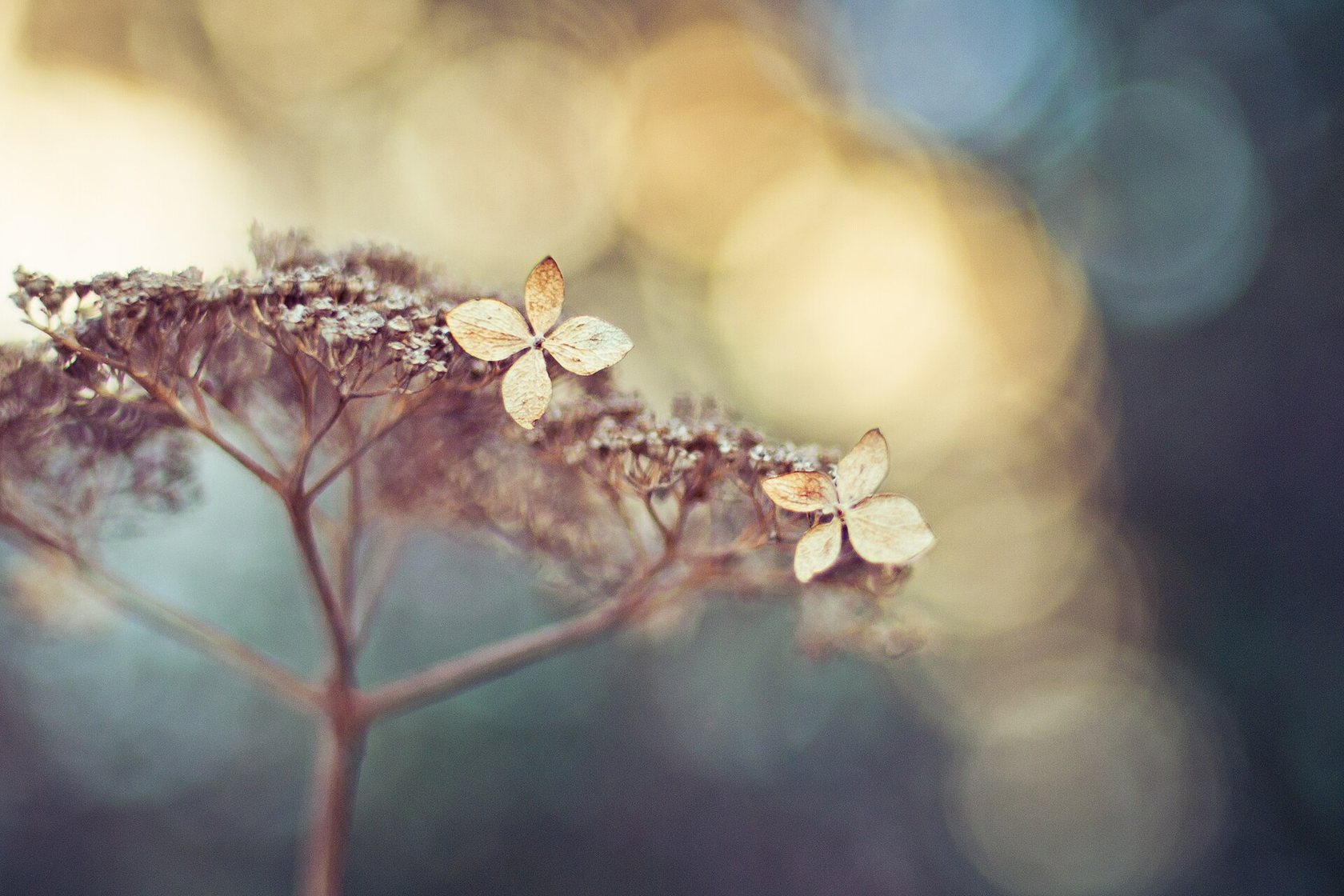
A bouquet does not have to end up in the compost bin when the petals start to droop. Many blooms can be dried and kept for months or even years, and the process takes little more than patience and a dry corner of the house. Whether you want to dry your flowers from a wedding, a garden or a birthday, the way to preserve them decides how much color and shape survive. This guide covers the ways to preserve flowers that work best at home, the best flowers for drying and how to keep the finished stems looking good.
Photo: Benson Kua from Toronto, Canada, CC BY-SA 2.0, via Wikimedia Commons
Results start with the type of flower. Flowers with sturdy stems and low moisture content, such as lavender, statice, strawflower, yarrow and globe amaranth, dry well with almost no effort. Roses, larkspur, celosia and the daisy are also reliable. Delicate flowers with thin, watery petals, including tulips, poppies and lilies, are harder, and they usually need burying in silica to hold their shape.
Timing matters nearly as much. Pick flowers on a dry morning after the dew has gone, when they are just about fully open, because damp petals can turn brown or grow mold during the drying process. If you are working with fresh flower bouquets from a vase, dry them within a few days instead of waiting until they fade, since a tired bloom only looks worse once dried. Skip the flower food during those last days, and be sure to remove any leaves that are wilted or spotted.
Air drying is one of the easiest ways to air dry flowers, and it suits flowers with thicker stems. Strip the lower leaves, cut the stems to the desired length and gather five to ten stems together into a small bunch with a rubber band, because the stems shrink as they dry and a band tightens with them while string would slip. Hang them upside down to dry in a dark, warm, well-ventilated area such as a closet, an attic or a spare room, which keeps each stem straight.
Direct sunlight bleaches color, so keep the bundle out of the light and away from a steamy bathroom. Most blooms take two to three weeks until completely dry. Dry the flowers until the petals feel papery and the stems snap rather than bend. Hydrangea offers a shortcut: stand the stems in an inch of plain water and let it dry slowly as the water evaporates.
Silica gel is the best option for color, because the flowers retain their color far better when moisture leaves fast. It is a desiccant, so it absorbs moisture from whatever is buried in it, and using silica protects the color during the drying process. Pour an inch of crystals into an airtight container, place each flower on top with its stem trimmed to about an inch, and spoon more around the petals until the bloom is covered. Seal the lid and check after two to three days for smaller flowers, or up to a week for roses and other thicker blooms.
Gently brush the crystals off with a soft paintbrush when the petals feel crisp, and wear a dust mask while pouring, since the fine dust can irritate the lungs. The method works for dahlias, peonies and other dense flowers that tend to rot or shrivel when hung.
Pressed flowers are ideal for flat blooms such as pansies, violas and ferns. Place the flowers between two sheets of parchment or blotting paper and close a heavy book over them. Leave the pages alone for two to four weeks, because opening the book early lets moisture back in.
Pressed blooms look lovely in framed pictures, cards and as a bookmark, and thick flowers like roses do better if you separate the petals first.
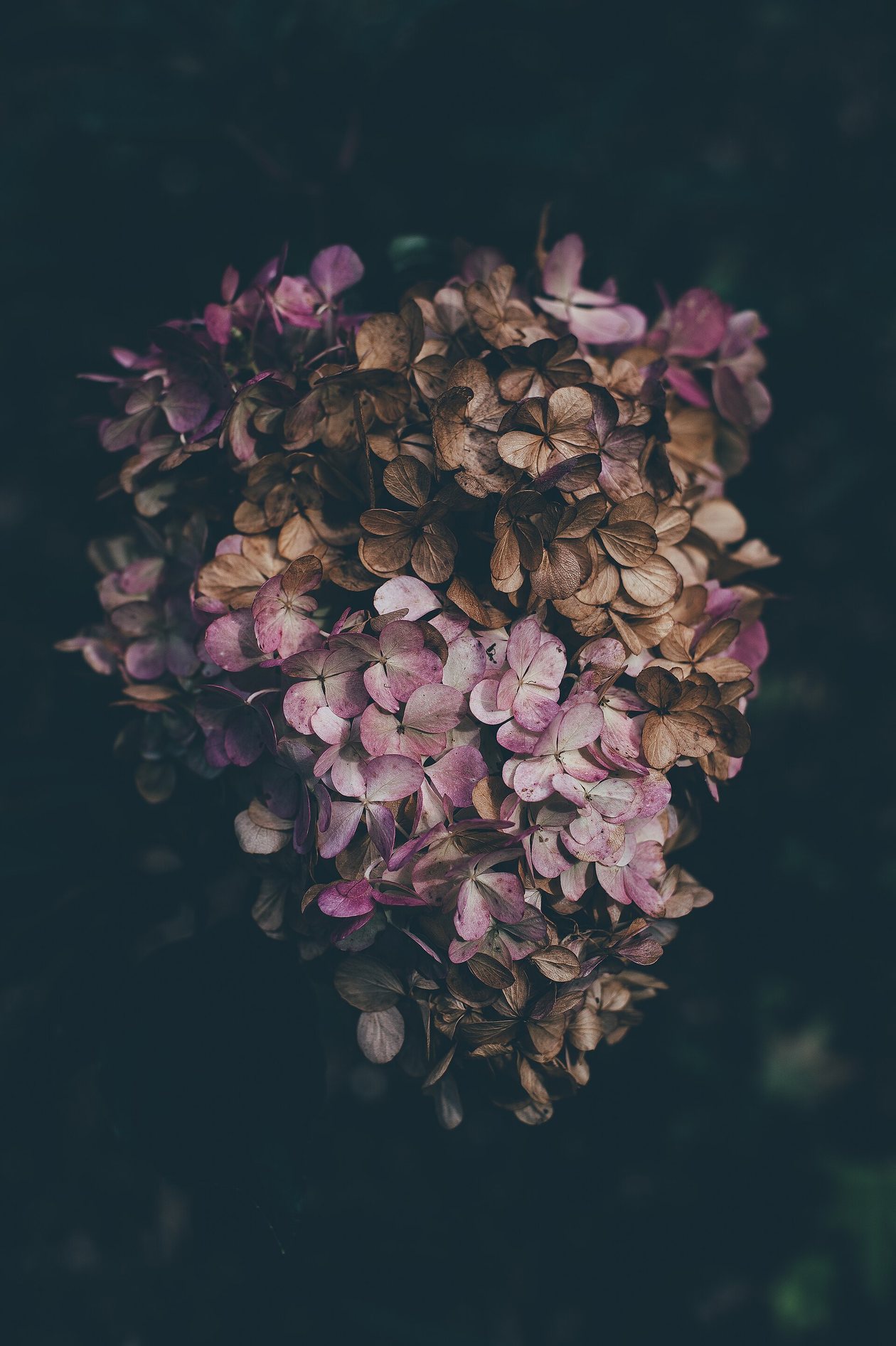
Photo: Annie Spratt anniespratt (CC0), via Wikimedia Commons
If you need a quick result, microwave the flowers. Set the blooms in a microwave-safe dish on a bed of silica, cover them with more and heat on a low setting in short bursts, checking between each one so the flowers dry without scorching. Let the container cool for several hours before you uncover them, because they stay fragile while warm. Microwaves vary, so test a spare flower first.
Oven drying is slower but handles a larger batch. Lay the flowers on a baking sheet lined with parchment paper and set the oven as low as it will go, usually around 170°F to 200°F. Prop the door slightly open and check every half hour, since small petals scorch quickly. Either method is the fastest way to dry flowers, though the color is usually a little duller than with silica gel alone.
Flowers lose some brightness whichever method you pick, and the color shifts a little. Reds and pinks tend to darken and white may turn cream. Use a light mist of unscented hairspray from about a foot away to help delicate petals stay in one piece. Foliage such as eucalyptus takes better to glycerine: mix one part with two parts hot water, stand freshly cut stems in it for a week or two, and the leaves stay soft and flexible instead of turning brittle.
Properly dried blooms can stand in a jar just as they are, or go into a wreath, a wall hanging or a shadow box. Pieces saved from wedding bouquets can become handmade gifts and craft projects. Petals that crumble can go into a bowl of potpourri, and dried bouquets in mixed flower arrangements add soft floral decor to a shelf or mantel.
With proper care, dried flowers keep their looks for a long time. The enemies are sunlight, which fades the color, and humidity, which softens the petals and invites mold. Keep arrangements in a dry room away from windows, and clear away any that look dusty or brittle. Finished pieces are more forgiving than you might expect, and a quick dust every few weeks is all they need.
If you want your bouquet to look its best for a week or two before you dry it, our full guide to making cut flowers last explains how to get the most from them first.
Megan Holloway covers keeping cut flowers fresh and making bouquets last.
7 min read
Learn how to keep cut flowers fresh with simple steps: a clean vase, angled stem cuts, flower food, cool spots and fixes for wilting roses and tulips.
Read story
3 min read
What does flower food do for cut flowers? Learn what is in the little packet, how to use it, how to make homemade flower food and which shortcuts to skip.
Read story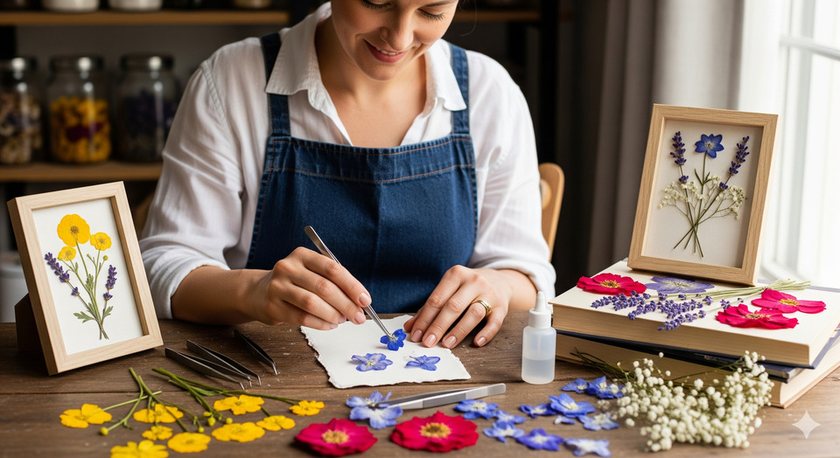
5 min read
Remember that fleeting feeling of joy from a bouquet of fresh flowers? Displaying pressed flowers is a magical way to capture and preserve those memories, turning a temporary gift into a timeless piece of art. It’s a creative hobby that allows you to transform a special rose, a wildflower from a hike, or a market bloom into a lasting keepsake. This guide will show you how to give those beautiful stories a permanent second act.
Read story