7 min read
How to Keep Cut Flowers Fresh: Simple Tips to Keep Flowers Fresh for Longer
Learn how to keep cut flowers fresh with simple steps: a clean vase, angled stem cuts, flower food, cool spots and fixes for wilting roses and tulips.
Read story
What does flower food do for cut flowers? Learn what is in the little packet, how to use it, how to make homemade flower food and which shortcuts to skip.
3 min read
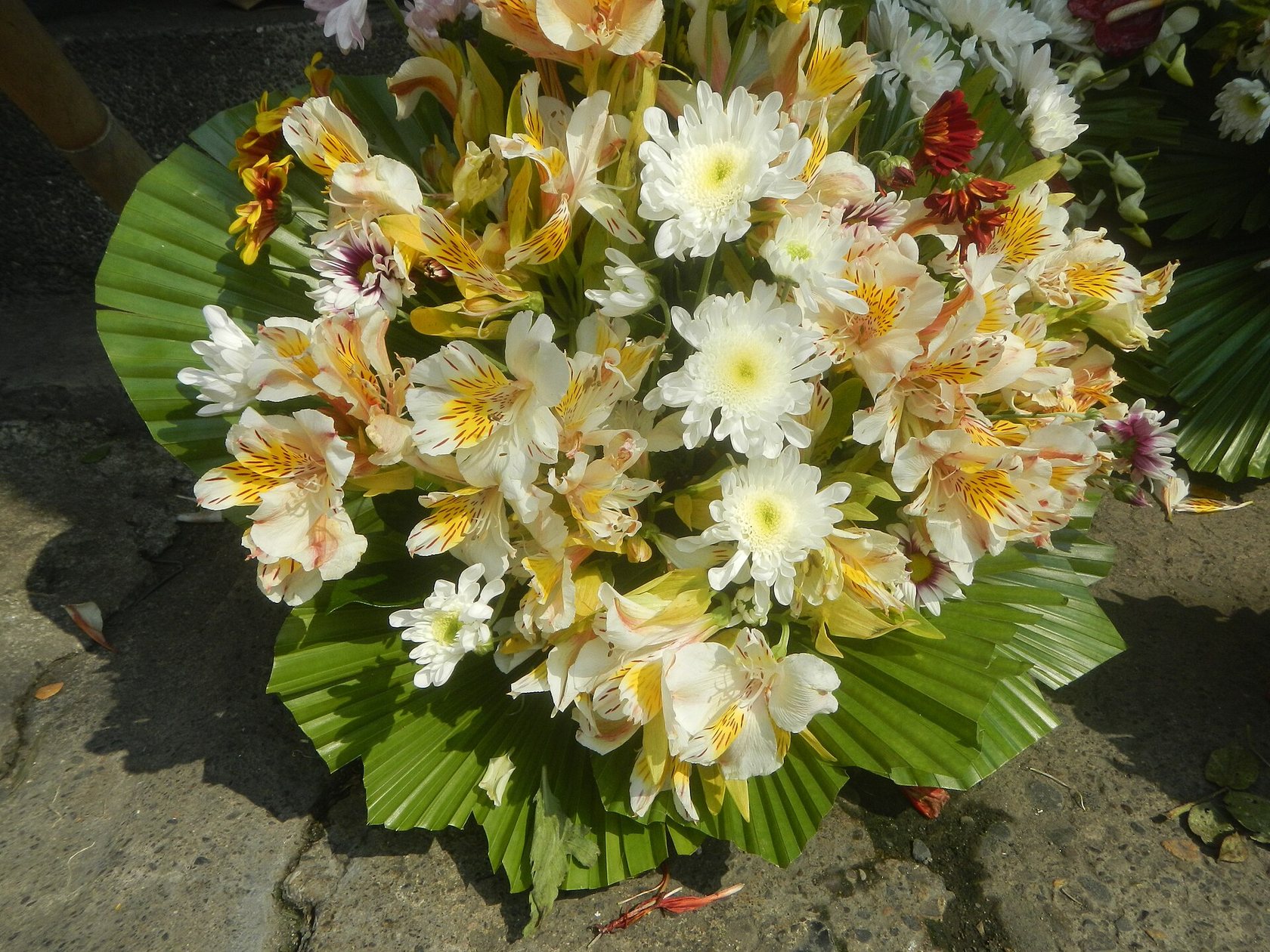
Most bouquets arrive with a small packet attached, and most people tuck it in a drawer or toss it out with the wrapping. That is a pity, because flower food is one of the few extras that truly helps cut flowers last longer. Cut flower stems still need energy, hydration and an open path for water to flow, and each of those can be supported with a few ordinary ingredients. Used well, it is an easy way to make them last and to keep arrangements looking fresh, for the enjoyment of a few more days. Here is what the formula contains, how to use it and what to do when you run out.
Photo: Judgefloro (CC0), via Wikimedia Commons
Commercial fresh cut flower food comes as a powder or a liquid formula, and it combines three jobs. The first is a form of sugar, the main nutrition for the bloom, which replaces the energy it would normally make from sunlight and helps encourage each bud to develop and open. The second is an acidifier, often citric acid, that lowers the pH level to improve the uptake of water through flower stems. The third is a biocide that helps reduce bacteria, whose growth causes a blockage at the cut end and shortens the life of a flower arrangement. A consumer sachet is not plant food or fertilizer, so it is not made for potted plants.
Each packet treats a set amount of water, printed on the label, so read it before you pour. Dissolve the powder in lukewarm water in a clean vase, then trim the stems at an angle, strip any foliage that would sit below the waterline and arrange each flower. Flowers need food and water together, and for optimal results the mix needs refreshing, so change the water every two to three days instead of topping up the vase water, and keep the water high enough to cover the cut ends, so the stem can take up water freely. A clean vase will help keep stems unblocked, and a cool spot away from direct sunlight and heating vents helps flowers stay fresh. With this routine a rose or a carnation stays vibrant and long-lasting, days longer than in plain water, with wilt showing up later.
One more thing for readers abroad: MyGlobalFlowers Switzerland lists bouquets for delivery in Thailand.
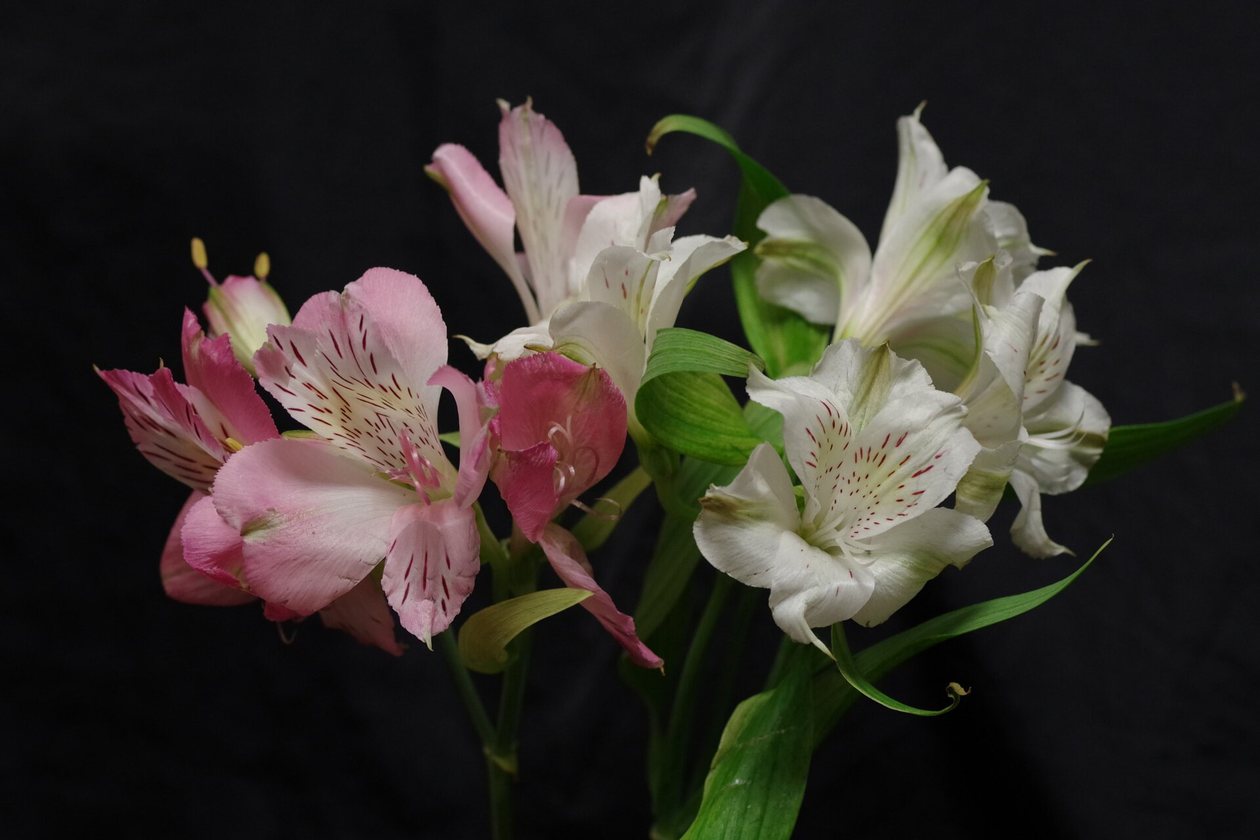
Photo: Chihiro H, CC BY 3.0, via Wikimedia Commons
When the sachet is gone, you can mix a substitute from the kitchen. For each quart of lukewarm water (about four cups of water), stir in 1 tablespoon sugar, 2 tablespoons lemon juice and 1/2 teaspoon bleach. The sugar is the nutrient, the lemon juice helps lower the pH and the bleach is there to kill microbes, which mirrors the store-bought formula. Measure with real spoons, because too much harms the bloom and too little does not control them.
Another recipe swaps the lemon juice for 2 teaspoons of white vinegar. Do not add bleach to that version, since the two should never be combined. A splash of clear lemon-lime soda also supplies energy and a little acid, though diet versions are useless here. These home remedies are less reliable than the store-bought kind, and a sweet mix with nothing to control microbes can cloud the water within a day.
Garden fertilizer is the wrong choice, because its nutrients feed microbes before the flowers. Floral foam is different: it should be soaked in water that already holds food for flowers, so each flower has something to drink from the moment it goes in. Keep every sachet and mix away from children and pets.
For more on keeping a bouquet in good shape, our guide to making cut flowers last covers trimming, placement and troubleshooting.
Megan Holloway shares guides to keeping cut flowers fresh and making bouquets last.
7 min read
Learn how to keep cut flowers fresh with simple steps: a clean vase, angled stem cuts, flower food, cool spots and fixes for wilting roses and tulips.
Read story
5 min read
Learn how to dry flowers at home with air drying, silica gel, pressing, the microwave or the oven, plus the best flowers for drying and how long they last.
Read story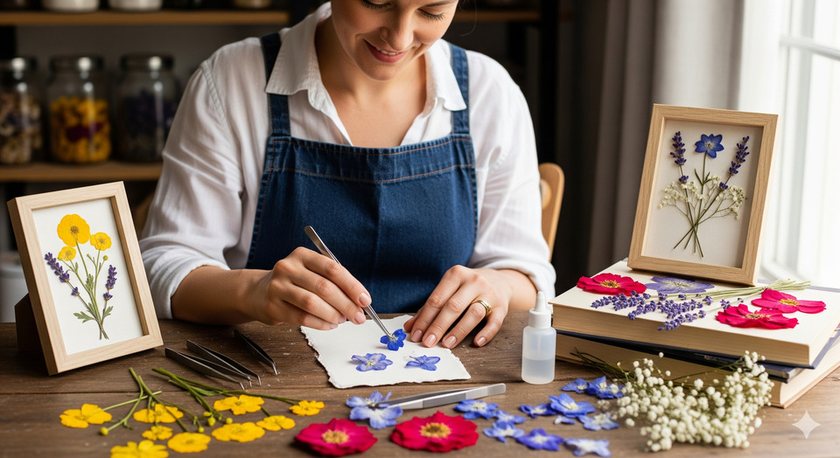
5 min read
Remember that fleeting feeling of joy from a bouquet of fresh flowers? Displaying pressed flowers is a magical way to capture and preserve those memories, turning a temporary gift into a timeless piece of art. It’s a creative hobby that allows you to transform a special rose, a wildflower from a hike, or a market bloom into a lasting keepsake. This guide will show you how to give those beautiful stories a permanent second act.
Read story